Canada Fixed Pension Age – Canada is entering a new chapter in retirement planning as the federal government introduces a flexible retirement system starting 10 January 2026. This major policy shift moves away from a rigid pension age and allows individuals to choose when and how they transition out of full-time work. The reform is designed to reflect changing life expectancy, diverse career paths, and the financial realities facing older workers. By offering more choice and control, the new approach aims to support financial stability, workforce participation, and personal wellbeing for people planning retirement across Canada.
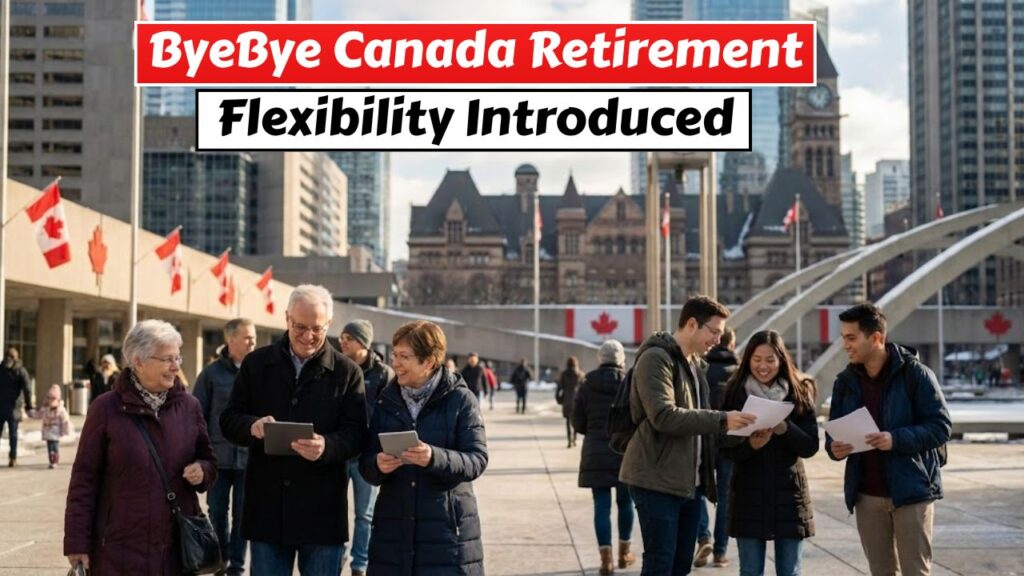
Flexible Retirement System for Canadian Seniors in 2026
The flexible retirement system for Canadian seniors replaces the long-standing concept of a fixed pension age with a more adaptable structure. Under this approach, individuals can begin receiving retirement benefits within a defined age range rather than at one mandatory point. This change recognises that health, employment type, and financial readiness vary widely among Canadians. Some may prefer to retire earlier with partial benefits, while others may continue working longer to increase their pension income. The system is closely aligned with existing public pensions, ensuring continuity while adding flexibility. For Canadian seniors, this reform is expected to reduce financial pressure, support phased retirement, and encourage informed decision-making based on personal circumstances rather than age alone.

New Retirement Age Options Across Canada from January 2026
Across Canada, the introduction of new retirement age options marks a practical response to modern workforce trends. Many older workers now balance part-time employment, caregiving, or self-employment, making a single retirement age outdated. The updated structure allows people to combine work income with partial pension payments, helping them ease into retirement gradually. This can be especially valuable in sectors facing labour shortages, as experienced workers can remain active without losing benefits. From January 2026, the system is designed to be simple to navigate, with clear guidelines on eligibility and benefit adjustments. Overall, it supports economic participation while respecting individual choice and long-term financial planning.
 Goodbye to Low Pay as Minimum Wage Increases Roll Out Across Canada and Five Provinces in 2026
| Feature | Previous System | Flexible System (2026) |
|---|---|---|
| Pension Start Age | Fixed age requirement | Age range with options |
| Work While Receiving Pension | Limited flexibility | Allowed with adjustments |
| Benefit Amount | Standard calculation | Adjusted by start age |
| Retirement Transition | Immediate exit | Gradual or phased |
| Personal Choice | Low | High |
Canada Pension Changes Supporting Choice and Longevity
Canada’s pension changes are closely linked to longer life expectancy and evolving retirement goals. By allowing benefits to start earlier or later, the system helps individuals align income with their expected retirement length. Those who delay retirement may receive higher monthly payments, while early retirees can access reduced benefits sooner if needed. This structure encourages realistic planning rather than forcing uniform outcomes. It also supports healthier aging by giving people the freedom to remain active in the workforce or community roles. These pension adjustments are intended to remain financially sustainable while offering fairness across different income levels and career histories throughout the country.
How the New Retirement Policy Affects Canadians Approaching Old Age
For Canadians approaching old age, the new retirement policy introduces both opportunity and responsibility. Greater flexibility means individuals must carefully assess their finances, health, and long-term goals before choosing when to start benefits. Government agencies are expected to provide guidance and tools to help people understand how timing affects payments. This proactive approach can lead to better outcomes, especially for those with non-linear careers. By empowering people with choice, the policy supports independence and dignity in later life while adapting to Canada’s diverse population and economic landscape.
Frequently Asked Questions (FAQs)
 Goodbye to Guesswork as GST and HST Credit Payments Arrive with Higher Amounts in January 2026
1. When does the flexible retirement system start in Canada?
The flexible retirement system begins on 10 January 2026.
2. Is there still a minimum age to access pension benefits?
Yes, benefits can be accessed within a set age range rather than at one fixed age.
3. Can people work while receiving retirement benefits?
Yes, individuals can combine work income with partial pension payments under the new system.
4. Will starting benefits later increase monthly payments?
Delaying the start of benefits generally results in higher monthly pension payments.